
Negotiation Strategies for Working with
International Prospects
The right preparation can help foster commercial real estate deals with international clients, regardless of differing cultural attitudes and lifestyles. The key is to know the differences, understand them, and incorporate them into the negotiation.
Classic Preparation Techniques Still Apply
Successful salespeople always prepare thoroughly, but a few basic preparation techniques are even more important when working with international prospects. Here are four basic strategies that can help you avoid confusion and frustration:
- Know your building and your objectives thoroughly - Even if special features make your building ideal for a foreign client (such as in-building translation services), showing an easy command of all facets of your building will not only give the client confidence in you, but also in your organization.
- Take time up front to find out what the prospect wants - Listening attentively to the needs of an international prospect during your initial meeting or phone call is extremely important, especially if there are language difficulties or your client has never leased in the United States before. You will quickly know what you can offer, and how you can make your building a good fit for the prospect’s needs. Patience and thoughtful suggestions can help you build a relationship and even generate future referrals to other foreign clients.
- Look for compromise - A successful negotiation is one in which both sides feel they have won. Bargaining is often expected in foreign cultures, even during simple transactions in an open-air market. Using all your bargaining skills will likely win your client’s respect, resulting in a very satisfactory deal for both sides.
Understanding Cultural Differences Will Smooth the Deal
Although everyone in the New York metropolitan area is accustomed to living in a multi-cultural environment, delving beyond obvious surface differences, such as food and clothing, can help you understand your prospect’s deep-seated cultural values and customs. Here are a few important areas to consider:
- Speed - American life tends to be fast-paced and exact; many foreign cultures are more relaxed and business is conducted at a more leisurely pace. You should always be on time for your appointments, but don’t be overly concerned if your prospect is late.
- Society - American society is very individualistic, but foreign cultures are often more group-oriented, especially when seeking consensus. A deal may take much longer than you expect because so many people must agree to the terms you have negotiated.
- Roles - Americans in business often use first names, but this is not the case in many other cultures. Your foreign prospects may also expect pleasantries that Americans would see as a waste of time. It is always safer to begin more formally and slowly, and let your clients take the lead if they prefer to be less formal or move forward more quickly.
- Personal style - Americans tend to be direct and open about their ideas, but international prospects can easily see this as insensitive and aggressive. It is important to adapt to your prospect’s style.
A Shortcut to Learning the Differences
Initially, the differences between American and other cultures may seem daunting or even overwhelming, but the American Management Association offers a guidebook to help you get started.
Now in its third edition, How to Negotiate Anything with Anyone Anywhere around the World by Frank L. Acuff provides a wealth of cultural detail important for negotiating with foreign prospects. The book includes information from a variety of countries in Western Europe, Eastern Europe, Latin America, the Middle East and North Africa, Asia and the Pacific Rim, Sub-Saharan Africa, and even North America.
Spending just a few minutes with this book before meeting new foreign prospects can make you feel more comfortable with their countries and cultures and show them that you have made an effort to meet them on their terms. This extra effort can easily become common ground for a successful deal for both parties.
Also in This Issue
Sea Tow Uses Communication Technology to Save Lives

Meet Colonel Joe Frohnhoefer, President, CEO, and Founder of Sea Tow, our 2012 Customer Innovator of the Year. Colonel Frohnhoefer explains how Lightpath technology is helping his organization save lives and promote boating safety for thousands of Sea Tow members and other stranded boaters worldwide.
Insider Alert: Suite Nights Coming This Winter
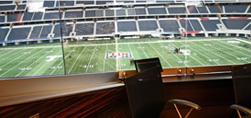
Join Lightpath for exciting tri-state area sporting and entertainment events and network with other commercial real estate professionals.